Marketing sites
A site that makes your business look like the best option rather than the cheapest one.
- Design and build, not a template
- Content you can edit yourself
- Enquiries that land somewhere useful
Mostly that means owning the software a company runs on, from the first commit through to the part their customers pay for. I have done it as a founding engineer more than once, and I still maintain systems I wrote years ago.
Most projects are one of these, or a couple of them together. If yours is none of them, it is still worth asking.
A site that makes your business look like the best option rather than the cheapest one.
One place that knows the truth about your customers, your jobs, and your numbers.
Your systems talking to each other, reliably, without anyone retyping anything.
An app that holds up for years, not one that needs rebuilding after the next iOS release.
Every project is different and the details change, but this is the shape of it.
Half an hour to work out what you are actually trying to achieve and whether I am the right person for it. If I am not, I will say so on the call rather than send you a proposal anyway.
What I will deliver, what is not included, and one fixed price. You will know what you are buying before you agree to anything, and the price does not move unless you ask for something new.
You get a written update every Friday, whether or not there is news, so you are never left wondering where things are. Most projects also get somewhere you can watch progress as it happens.
Domains, hosting, email, accounts. If you already have all of it, I work with what is there. If you have none of it and are not sure what any of it means, I sort it out and put it all in your name.
Everything transfers to you, with written documentation and a recorded walkthrough so you can rewatch it instead of asking me again. Two weeks of fixes are included after launch.
Software needs looking after. I can stay on to handle updates, hosting, and changes as the business moves, which is how most of my client work runs. Or you take it from here.
These do not change from project to project, and they are most of the reason the work tends to still be running years later.
The code, the hosting, the domain, the accounts. All in your name from the start. If you would rather not think about any of that, I set it up and walk you through what each piece does.
Software gets rebuilt sometimes, and that is fine when it is a choice. What I avoid is the kind forced on you a year later by shortcuts taken now. Some of what I have built has been running and earning for a decade.
Anything touching money, customer records, or something you cannot undo gets tested properly before it goes near a real person.
Things break eventually. What matters is whether you hear about it from monitoring or from an annoyed customer, so I set up the former.
I have built most of these systems before, which makes me quick. That speed goes into finishing sooner, not into cutting the parts you cannot see.
You will never need to decode jargon to understand what I am doing or what it costs. If something technical matters to your decision, I will explain why it matters.
Client systems, apps with users who have stayed for years, and the infrastructure behind all of it.
I joined as the founding engineer before there was a product, built the platform the company launched on, and stayed with it for years afterward while the business tripled year over year.
Founding engineer, full timeCustomers, leads, jobs, files, and signable proposals for a construction company, across an API, an internal dashboard, a public site, and a content pipeline the team runs without me.
Sole engineer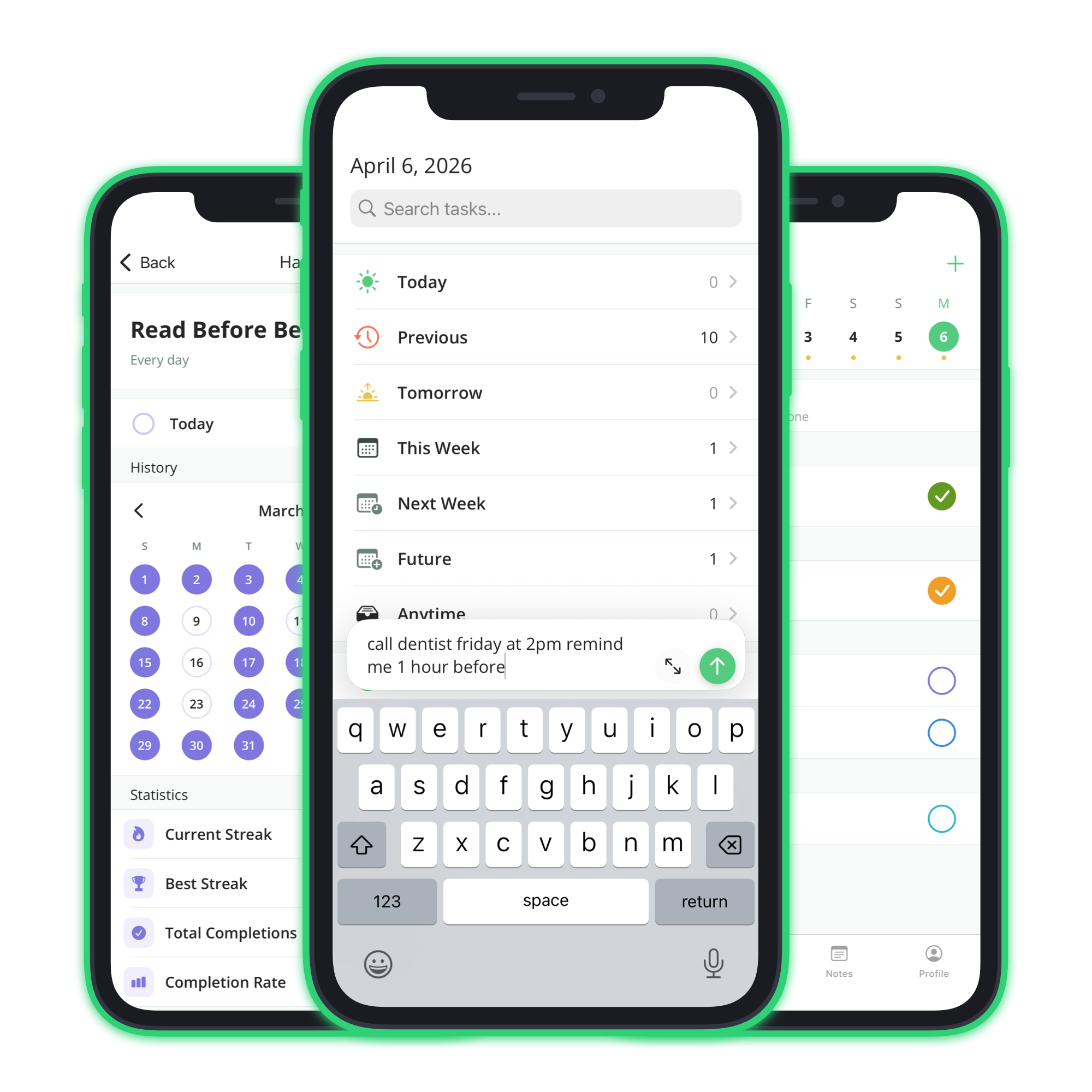
Habite has been shipping for a decade with thousands of active users, across every iOS version, two backends, and one full data migration.
Designer and engineerIt depends on what you need, which is why I do not publish prices. The scope call and proposal turn a vague idea into one fixed number before you commit to anything. Projects generally start in the five figures, so if you are looking for something in the hundreds I am not the right fit and I would rather tell you that now.
The proposal gives you a timeline with milestones. Every project is different, so I would rather quote honestly than quickly. I take on a small number at a time so the one you are paying for gets real attention.
Not at all, and most of my clients are not. You do not need to know what hosting is or who owns a domain. You need to know what problem you are solving, and I handle the rest and explain anything that affects a decision you have to make.
It means the work lives in accounts with your name on them, and you can hand it to any other developer at any point without asking me. Some agencies keep this on their own accounts so you cannot leave. I set it up the other way round, and I show you where everything is at handover.
Often, yes. I have joined companies as a founding engineer and picked up other people's work plenty of times. Send me what exists and I will tell you honestly whether it is worth building on or worth replacing.
That is a normal place to start. The call is partly there to turn an idea into something specific enough to build and to price. You do not need a spec written out.
Two weeks of fixes are included. After that most clients keep me on for updates, hosting, and new work as things change, but it is optional and you are not locked in. One client system I have now been looking after for years.
Sometimes you should, particularly if you need a lot of people at once. What you get here instead is one senior engineer who builds the thing and is still around afterwards, and you talk to that person directly rather than through an account manager.
A short call, no cost, and an honest answer about whether I am the right person for it.
Start a project